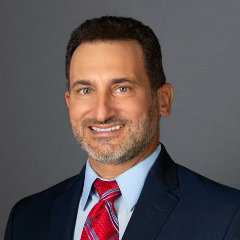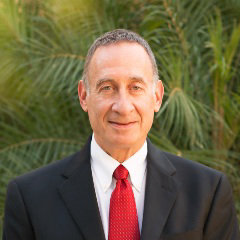
Partner/Shareholder · Wicker Smith O'Hara McCoy & Ford P.A.
- Naples, FL
- 18 yrs licensed
- Medical Malpractice
- Personal Injury
48 personal injury attorneys with an office in Naples, Collier County. Personal injury lawyers represent people hurt by someone else's negligence and pursue compensation for medical bills, lost income, and pain and suffering. Compare reviews, experience and consultation options, then contact an attorney directly.
Partner/Shareholder · Wicker Smith O'Hara McCoy & Ford P.A.
Partner/Shareholder · Alderuccio & Butler, LLC
Associate · Anthony M. Lawhon, P.A..
Managing Partner · Caceros Law, PLLC
Private Law Practice · David M. Couillard, P.A.
Partner/Shareholder · Law Firm of Sharon M. Hanlon, PA
Managing Partner · Alexander L. Kaplan, P.A.
Partner/Shareholder · Bonaquist Allen
Partner/Shareholder · Law Offices of Cavanaugh & Cavanaugh
Managing Partner · The Caldarone Law Group, P.A.
Private Law Practice · Mark B. Cohn P.A.
Partner/Shareholder · LaGarde Law Firm, P.C.
Private Law Practice · OOSTERBAAN LAW
Associate · Ruth D. Orange, Esq.
Private Law Practice · Southwest Florida Law
Managing Partner · Marc L. Shapiro, P.A.
Partner/Shareholder · Jonathan Tolentino, P.A.
Private Law Practice · Law Office of Tammy Strohl, P.A.
Partner/Shareholder · Law Office of Donald P. Day
Managing Partner · Vishio Watkins & Forry, PLLC
Partner/Shareholder · Phillips Law Firm
Partner/Shareholder · Wicker Smith O'Hara McCoy & Ford P.A.
Private Law Practice · Smooth Transitions, Inc.
Associate · Mr. Ryan David Shapot
Partner/Shareholder · Mr. Neil Patrick Solomon
Partner/Shareholder · Tanenbaum Keale LLP
Managing Partner · Auto Accident Attorney, PLLC
Managing Partner · Goldstein, Buckley, Cechman, Rice, Purtz
Associate · Kelleher Law, PA
Managing Partner · HLH Law Group
Private Law Practice · Ms. Flavia Martin
Private Law Practice · Law Offices of Christopher E. Mast. P.A.
Naples sits in Collier County, part of Florida's Twentieth Judicial Circuit. Matters are generally filed at the Collier County Courthouse, 3315 Tamiami Trail E, Naples.
Collier County sits in the Twentieth Circuit. Naples attorneys handle an unusually high volume of estate planning, condominium and HOA, and hurricane property insurance work.
Personal injury lawyers represent people hurt by someone else's negligence and pursue compensation for medical bills, lost income, and pain and suffering.
Most Florida personal injury matters begin as an insurance claim rather than a lawsuit. Your attorney gathers medical records, documents lost wages, values the claim, and negotiates with the insurer. If the insurer will not pay a fair amount, the case is filed in the circuit court for the county where the injury happened.
Florida uses a modified comparative negligence rule. Under Fla. Stat. § 768.81, as amended in 2023, an injured person who is found more than 50% at fault recovers nothing; below that threshold, the award is reduced by the person's share of the fault. Because of this, insurers push hard to assign blame to the claimant, and early documentation matters.
Filing deadline: Two years from the date of the injury for most negligence claims arising on or after March 24, 2023 (Fla. Stat. § 95.11).
Almost always a contingency fee — the attorney is paid a percentage of the recovery and nothing if the case does not succeed. Initial consultations are typically free.
Florida rule to know: Comparative negligence bars recovery above 50% fault (Fla. Stat. § 768.81); PIP requires treatment within 14 days (Fla. Stat. § 627.736).
This page is general information about Florida law, not legal advice, and reading it does not create an attorney-client relationship. Laws change and outcomes depend on the facts — speak with a licensed Florida attorney about your own situation.